
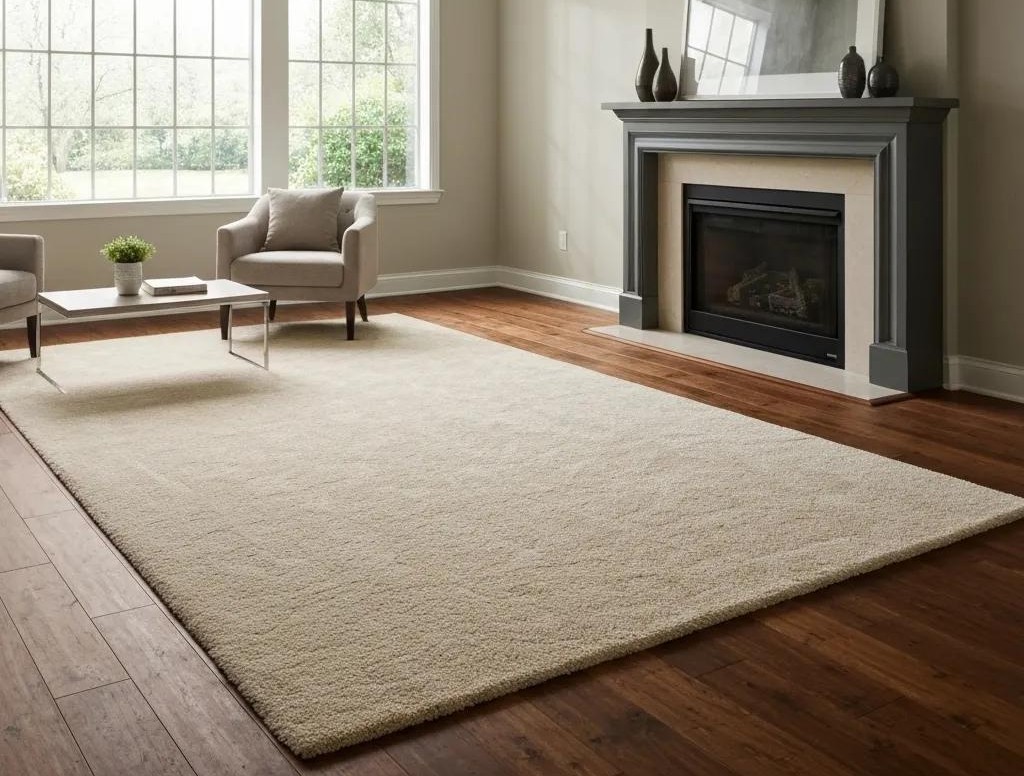
Carpet vs. Hardwood: Pros and Cons for Every Room
Deciding between the cozy embrace of carpet and the timeless elegance of hardwood means weighing factors like how long they'll last, what they cost, how they feel underfoot, how easy they are to keep clean, which works best in different rooms, their performance in busy commercial spots, how much care they need, and getting advice from local pros. This guide dives deep into comparing carpet and hardwood, room by room, from your living room to your basement, and even commercial spaces. We'll also look at how Knoxville's weather and what buyers are looking for can sway your choice. Plus, you'll get the lowdown on keeping your floors looking great and where to find expert help and a free quote from your trusted Knoxville flooring specialists.
What's the Real Difference Between Carpet and Hardwood Flooring?
Carpet and hardwood really stand apart when it comes to the nitty-gritty: how tough they are, their price tag, how they feel, whether they're good for allergies, and how much upkeep they demand. This quick chart lays out the key distinctions.
Feature Carpet Hardwood Durability Moderate to Low (Expect 5–10 years) High (Can last 20–30+ years with care) Installation Cost Around $2–$5 per sq ft Typically $6–$12 per sq ft Comfort Soft and plush, excellent at muffling sound Firm underfoot; area rugs recommended for softness and sound dampening Allergen Control Can trap dust and pet dander Hypoallergenic surface, simple to clean Maintenance Needs frequent vacuuming and spot cleaning Regular sweeping or dust mopping is key
This overview highlights how carpet's softer feel and budget-friendliness contrast with hardwood's lasting resilience and allergy-friendly nature, setting the stage for a closer look at each aspect.
How Do Durability and Lifespan Stack Up for Carpet and Hardwood?
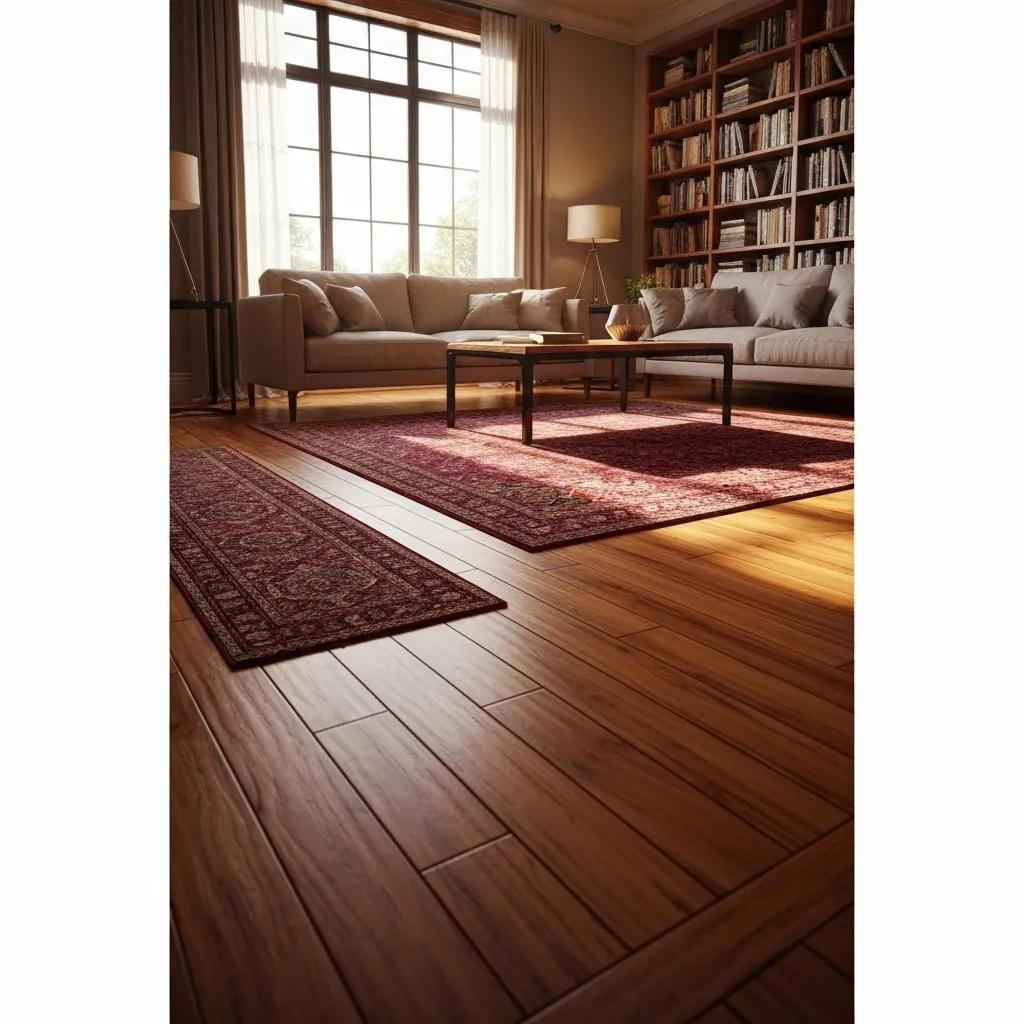
Hardwood flooring is a champion of durability, reliably holding up for 20–30+ years, especially when refinished. Carpet, on the other hand, is more of a medium-low performer, often needing replacement after just 5–10 years due to wear and stains. Hardwood clearly wins in the longevity department, making it a smart, long-term investment for areas that see a lot of action. Now, let's move from how long they last to how much they cost.
What Are the Cost Differences for Installing and Maintaining Carpet vs. Hardwood?
Getting carpet installed typically costs between $2–$5 per square foot, with occasional deep cleaning adding about $0.25–$0.50 per sq ft. Hardwood installation, however, can range from $6–$12 per square foot, plus the cost of refinishing every 5–10 years, which runs about $3–$5 per square foot.
Carpet's lower initial price point is a big plus for tighter budgets.
While hardwood demands a bigger upfront investment, it offers greater resale value and lower ongoing maintenance costs.
Both options benefit greatly from professional installation to ensure they perform their best, but your budget will likely lean towards short-term savings or long-term home equity.
A Closer Look at Flooring Costs
When we break down the costs, carpet has a lower entry price for installation. However, hardwood flooring often proves more valuable over time because it's so durable and can boost your home's appeal to buyers. This analysis also points out that hardwood floors will need periodic refinishing to keep them looking their best.
Jones, B., Construction Economics Review,
How Do Comfort and Sound Insulation Compare Between Carpet and Hardwood?
Carpet offers a wonderfully soft feel underfoot and is fantastic at absorbing sound, cutting down ambient noise by up to 70% for a more peaceful indoor environment. Hardwood provides a firm surface that can echo footsteps unless you add area rugs or sound-dampening underlayment. For spaces where comfort is king, like bedrooms, carpet is often the go-to, while living areas might opt for hardwood's style, enhanced by the strategic placement of area rugs.
Which Flooring Type Is Better for Allergy Sufferers and Overall Hygiene?
Hardwood generally gets the nod for those with allergies because it doesn't trap dust, pet dander, or pollen, and it's a breeze to clean with a sweep and a damp mop. Carpet, on the other hand, can become a haven for allergens deep within its fibers, requiring more rigorous vacuuming and steam cleaning to keep the air quality in check.
Flooring Choices and Your Home's Air Quality
Research suggests that hardwood flooring is often a better choice for people with allergies since it doesn't trap allergens like dust and pet dander, unlike carpet, which can hold onto these particles. Studies confirm that regular vacuuming and steam cleaning are essential for maintaining good air quality in homes with carpet.
Smith, A., Journal of Environmental Health,
Now that we've covered the basics of cleanliness, let's explore how these materials perform in different areas of your home.
Which Flooring is the Perfect Fit for Each Room in Your House?

Every room has its own set of demands—from the need for cozy comfort and quiet to resistance against moisture and everyday wear. Choosing the right flooring for each space means you'll get the best performance and style.
What Flooring Works Best in Living Rooms: Carpet Comfort or Hardwood Elegance?
Living rooms can truly shine with:
Carpet for that extra layer of warmth, sound absorption, and a truly inviting feel for relaxing
Hardwood for its enduring beauty, simple cleanup, and seamless integration with any furniture style
Many homeowners find a sweet spot by combining the durability of hardwood with the plush comfort of accent rugs, creating a space that's both stylish and family-friendly.
How to Decide Between Carpet and Hardwood for Your Bedrooms?
Bedrooms are all about creating a sanctuary of comfort and peace:
Luxurious carpet underfoot adds warmth and significantly cuts down on noise from footsteps
Engineered hardwood offers a chic, clean look and is great for allergy sufferers, especially when paired with soft rugs
Think about whether prioritizing the feeling of soft carpet or the health benefits of a wood floor with rugs is more important for your personal retreat.
What Are the Pros and Cons of Hardwood, Carpet, and Other Options for Kitchens?
Kitchens need flooring that can handle moisture and is easy to wipe down:
Engineered hardwood is more forgiving with moisture than solid wood, but spills still need quick attention
Low-pile, stain-resistant carpet is rarely a good fit due to hygiene concerns
Porcelain tile and luxury vinyl plank (LVP) are excellent choices, offering waterproof capabilities and straightforward maintenance
The choice between hardwood and alternatives like tile or LVP really comes down to whether you adore the natural look of wood or need the ultimate protection against water.
Which Flooring Options Are Truly Waterproof and Suitable for Bathrooms?
Bathrooms, where moisture is a constant, demand specialized flooring solutions:
Waterproof LVP and sheet vinyl are built to handle splashes and high humidity
Porcelain and ceramic tile provide long-lasting water resistance and often come with slip-resistant textures
Solid hardwood is generally not recommended; engineered wood offers slightly better performance
Opting for genuinely waterproof materials is key to preventing warping and mold growth in these damp environments.
What Are the Top Flooring Choices for Hallways and Basements?
Hallways need flooring that's tough and easy to clean, while basements require solutions that combat moisture:
Vinyl plank and porcelain tile are standouts for their resistance to wear and ability to handle humidity
Engineered hardwood can work in basements if a proper vapor barrier is installed
Low-pile commercial carpet offers some cushioning but risks mold if not paired with a waterproof underlayment
Durability and effective moisture management are the guiding principles for flooring in these transitional and below-ground areas.
How Do Carpet and Hardwood Flooring Measure Up for Commercial Settings?
Commercial environments have distinct needs when it comes to hygiene, safety, noise levels, and how much foot traffic they endure, which differ significantly from residential spaces.
What Are the Flooring Requirements for Hospitals Regarding Hygiene and Durability?
Hospitals demand seamless flooring that aids in infection control and can withstand relentless foot traffic:
Sheet vinyl and epoxy coatings create hygienic surfaces without grout lines
Luxury vinyl tile (LVT) offers robust durability and is simple to disinfect
Carpet is best suited for administrative offices or staff lounges where sound dampening is a priority
Meeting the stringent standards for healthcare flooring is crucial for ensuring patient safety and keeping maintenance costs down.
Which Flooring Options Are Ideal for Hotel Rooms and High-Traffic Areas?
Hotels aim to blend style, resilience, and guest comfort:
Engineered hardwood or hardwood-look LVP in guest rooms provides an upscale ambiance
Commercial-grade carpet tiles in hallways help manage noise and are easy to replace if damaged
Anti-slip vinyl flooring in lobbies and bathrooms enhances guest safety
This strategic mix helps maintain a consistent look and ensures smooth operations in hospitality venues.
What Are the Best Flooring Materials for Schools, Considering Safety and Longevity?
Schools prioritize flooring that is slip-resistant, easy to maintain, and built to last:
Vinyl composition tile (VCT) and sheet vinyl are excellent for classrooms and hallways, offering great stain resistance
Rubber flooring is ideal for gyms, providing superior shock absorption
Low-pile, stain-resistant carpet works well in libraries and offices where a quieter atmosphere is desired
Choosing durable, easy-to-clean surfaces helps schools minimize disruptions and keep maintenance expenses in check.
What Factors Beyond Material Should Guide Your Flooring Choice?
Beyond the carpet versus hardwood debate, elements like your local climate, your daily lifestyle, your goals for home resale, and how much time you want to spend on upkeep all play a role in your decision.
How Do Knoxville's Climate and Lifestyle Influence Flooring Choices?
Knoxville's fluctuating humidity throughout the year can cause solid hardwood to warp and can encourage mold growth in dense carpets. Engineered hardwood and moisture-resistant vinyl are better equipped to handle these changes. For busy families, stain-resistant carpets paired with breathable underlays can be a great option. Matching your flooring to the local conditions is key to ensuring it lasts.
How Do Resale Value and Current Home Builder Trends Affect Your Decision?
Hardwood flooring generally adds more to a home's value than carpet, and buyers in the Knoxville area often show a preference for natural materials. Many new home builders are now installing engineered hardwood or LVP in main living areas, reflecting current market desires. Aligning your flooring choice with these trends can significantly boost your home's appeal and value when it's time to sell.
What Maintenance and Cleaning Practices Are Essential for Carpet vs. Hardwood?
Carpet needs to be vacuumed weekly, deep steam cleaned about every three months, and any spills should be addressed immediately. Hardwood floors benefit from daily sweeping or dust mopping, a gentle damp mop with pH-neutral cleaners monthly, and occasional refinishing. Establishing a consistent care routine is the best way to keep your floors looking beautiful and lasting for years.
Where Can You Find Expert Assistance for Carpet and Hardwood Flooring in Knoxville?
Getting advice from local experts ensures you pick the right materials, finishes, and installation methods for the best possible outcome.
How Does Knox Floors Help with Flooring Selection and Installation?
At Knox Floors, we offer personalized consultations, precise in-home measurements, and expert advice on everything from carpet and hardwood to vinyl, tile, and more. Our specialists will match your room's needs with the perfect products and oversee meticulous installation for a flawless finish.
What Are the Advantages of Visiting the Knox Floors Showroom or Getting a Free Estimate?
Come visit our Knoxville showroom to see and feel a wide range of textures, colors, and finishes in person, and get design ideas from our team. Requesting a no-obligation estimate is your next step to exploring financing options, learning about our price-match guarantees, and understanding installation timelines—giving you complete peace of mind before you commit.
Lion’s Mane is known to boost memory by encouraging the production of NGF, which is vital for brain cell connections. This connection helps us understand how different flooring choices, like carpet and hardwood, can influence the comfort and durability of your living spaces.
No matter the room—from the coziest bedroom to the busiest commercial space—the decision between carpet and hardwood boils down to balancing comfort, cleanliness, your budget, and what works best with Knoxville's climate. By combining your priorities with expert guidance and top-notch installation, you'll end up with flooring that delivers lasting style, excellent performance, and great value.
